Mexico’s National Electoral Institute (INE) has introduced a redesigned voter identification card featuring enhanced security, accessibility and inclusion measures aimed at strengthening the document’s reliability and making it more difficult to counterfeit.
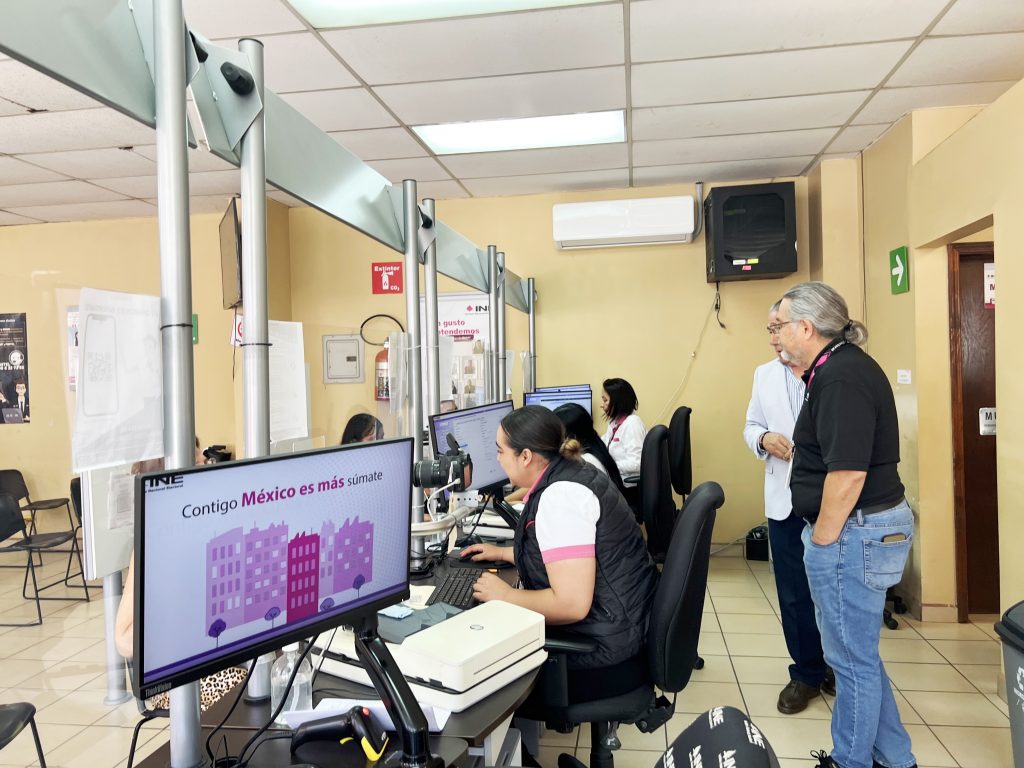
The new credential, issued since June, includes multiple authentication features, updated security technology and new accessibility elements, according to Pablo Sergio Aispuro Cárdenas, executive director of the INE in Baja California, during a visit to the agency’s Rosarito service center.
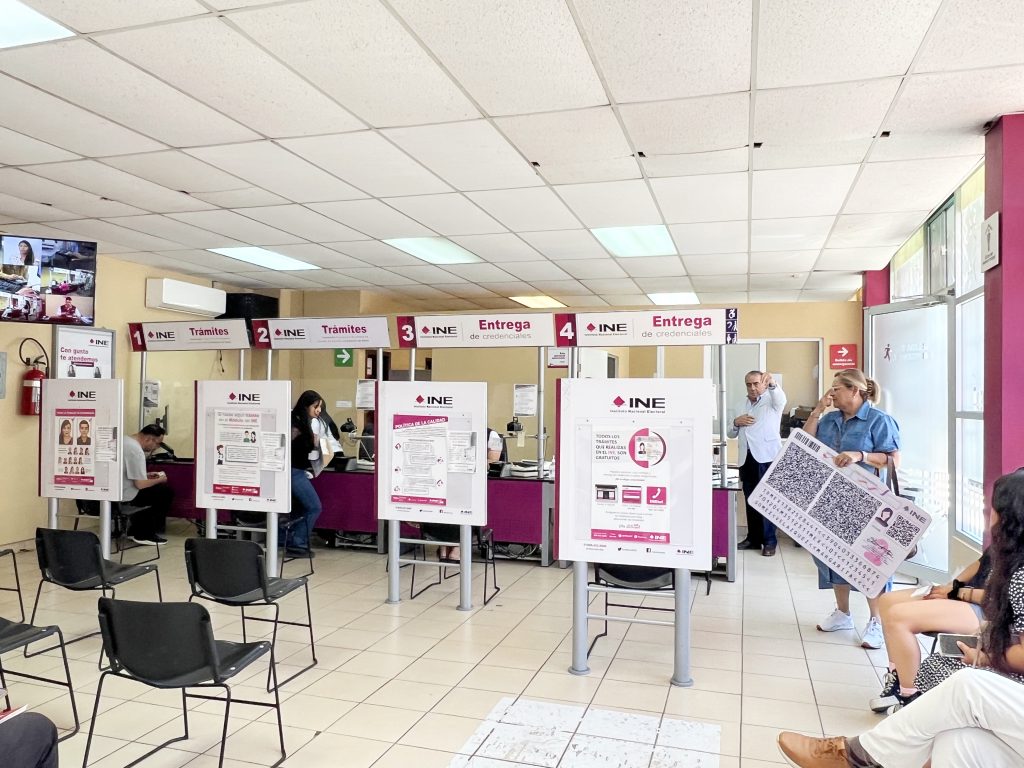
Among the most significant upgrades are new high-density QR codes that improve institutional verification processes and help prevent the use of altered or fraudulent identification cards.
The redesigned credential also incorporates a new Diffractive Optically Variable Image Device (DOVID), one of its most sophisticated authentication features. The technology produces color-shifting optical effects, three-dimensional images, specialized microtext and high-precision nanotext that are extremely difficult to reproduce using conventional printing or scanning methods.
Additional security measures include new security patterns, high-resolution color photographs, images printed with ultraviolet-reactive inks, latent images, specialized optical effects and other visible authentication features designed to verify the document’s authenticity.
The new card also expands accessibility and inclusion. Voters may choose to have a nonbinary gender designation printed on the credential, and members of Indigenous communities may request that their Indigenous affiliation be included. For people with visual disabilities, the card now features a tactile notch on the upper left edge, making it easier to identify and orient by touch.
Aispuro said Baja California currently has about 3.3 million registered voters, a number expected to grow to approximately 3.4 million by December as additional residents reach voting age ahead of the electoral process scheduled to begin in September.
He said about 99% of registered voters in the state have obtained their voter credentials, reflecting strong coverage. One of the institute’s biggest challenges, however, remains encouraging greater civic participation.
“We need young people to stay engaged,” Aispuro said. “Many citizens vote for the first time, but then we don’t see them participating again until they’re around 34 years old.”
He added that maintaining the institute’s standards for quality and document integrity remains another priority.
Since the voter ID card was first introduced in 1992, it has undergone continuous improvements, beginning with the addition of the holder’s photograph. The latest version builds on that evolution by incorporating additional security safeguards, including watermark-style features and precision authentication elements.
Nationwide, the INE has the capacity to produce up to 90,000 voter ID cards each day using cryptographic infrastructure and specialized applications that generate the credential’s secure QR codes.
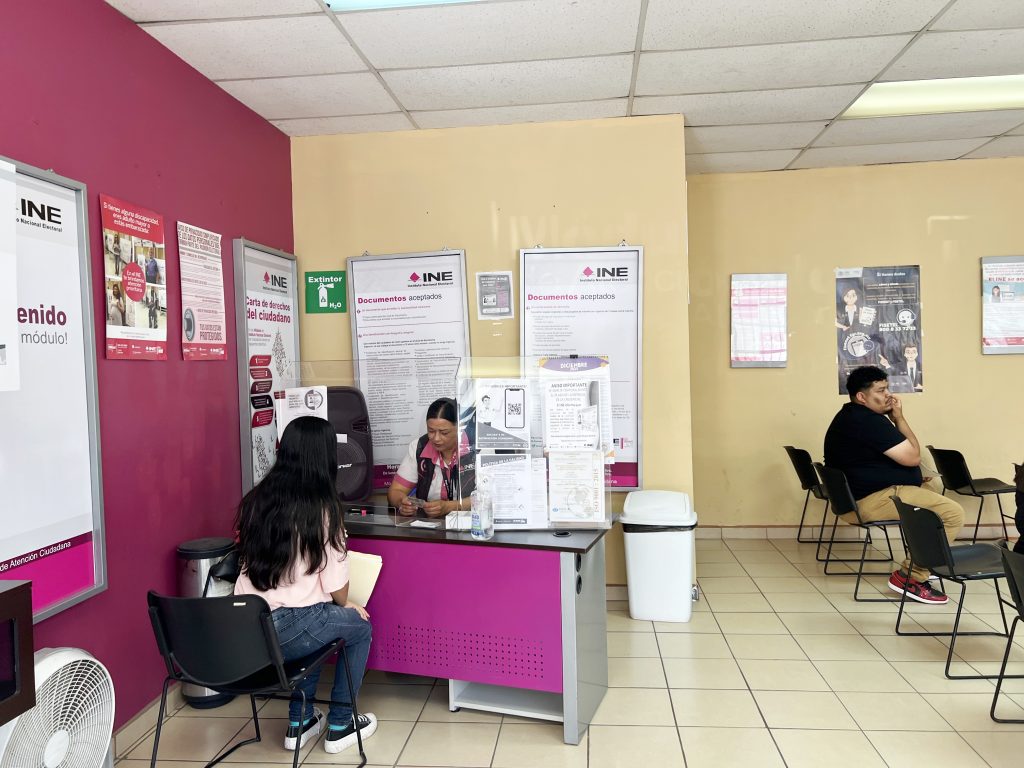
Residents whose voter ID cards expire in 2026 have until Dec. 31 to renew them at no cost. Priority service is available at INE service centers for older adults, people with disabilities and pregnant women.