Following the start of geotechnical studies for the proposed desalination plant in Rosarito, Baja California’s Secretariat for Water Management, Sanitation, and Protection (SEPROA) is conducting site visits to evaluate the feasibility of various potential locations for the facility.
The goal of the inspections is to technically assess the suitability of the land where the new water infrastructure will be built. Authorities from the Federal Electricity Commission (CFE) are also taking part in the evaluations, as the plant is expected to be located within or near the Rosarito Thermoelectric Power Station.
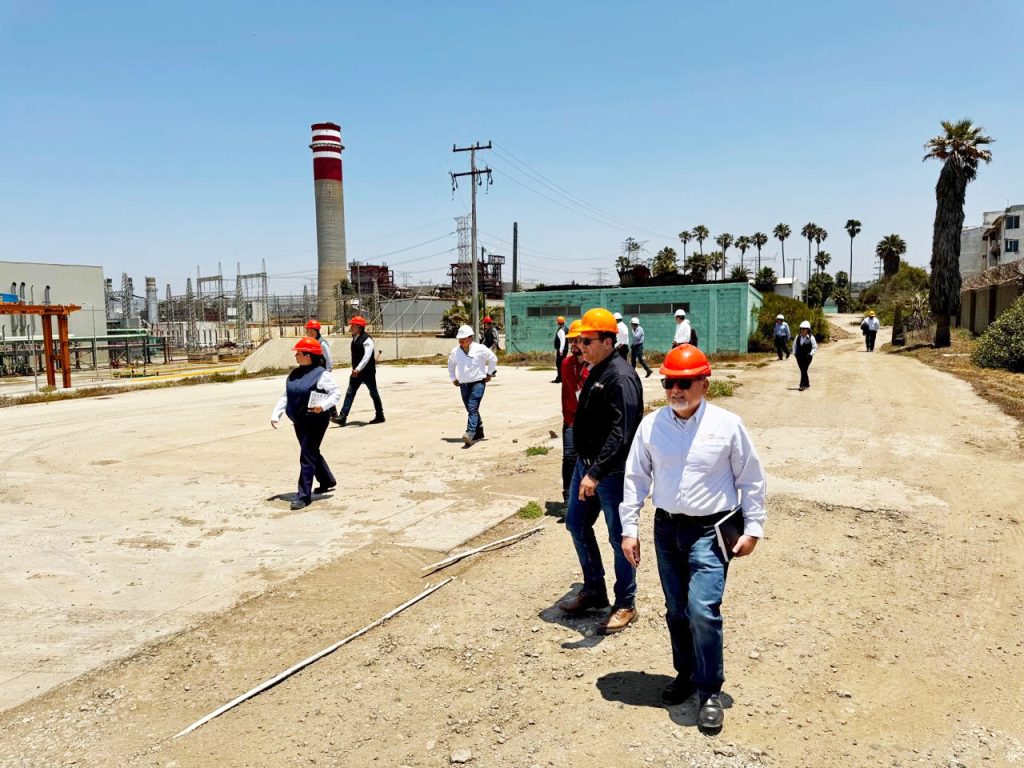
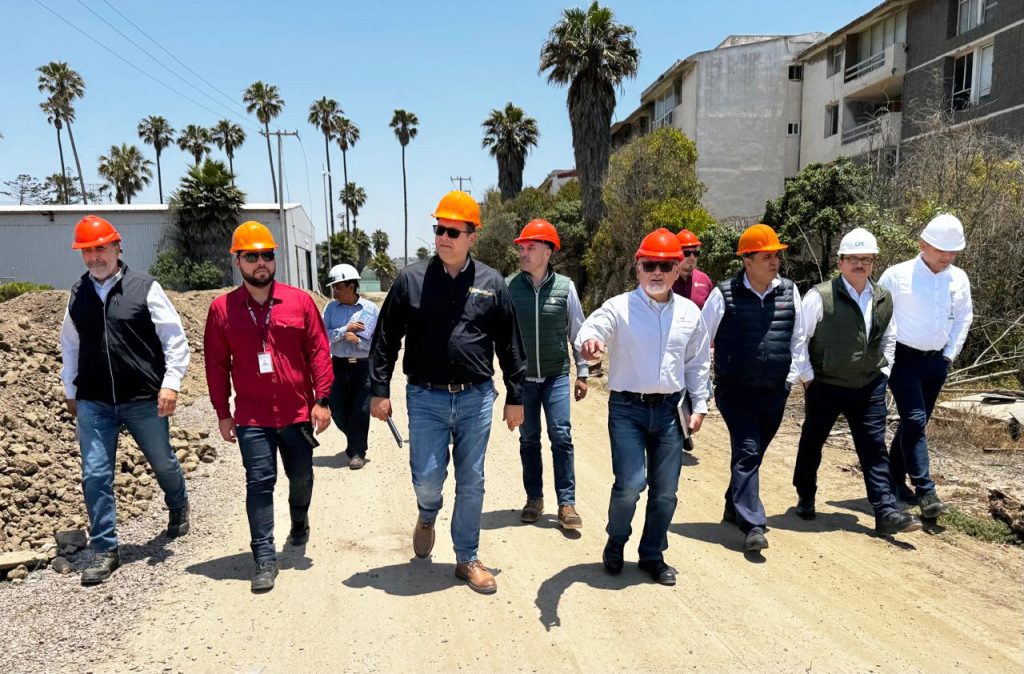
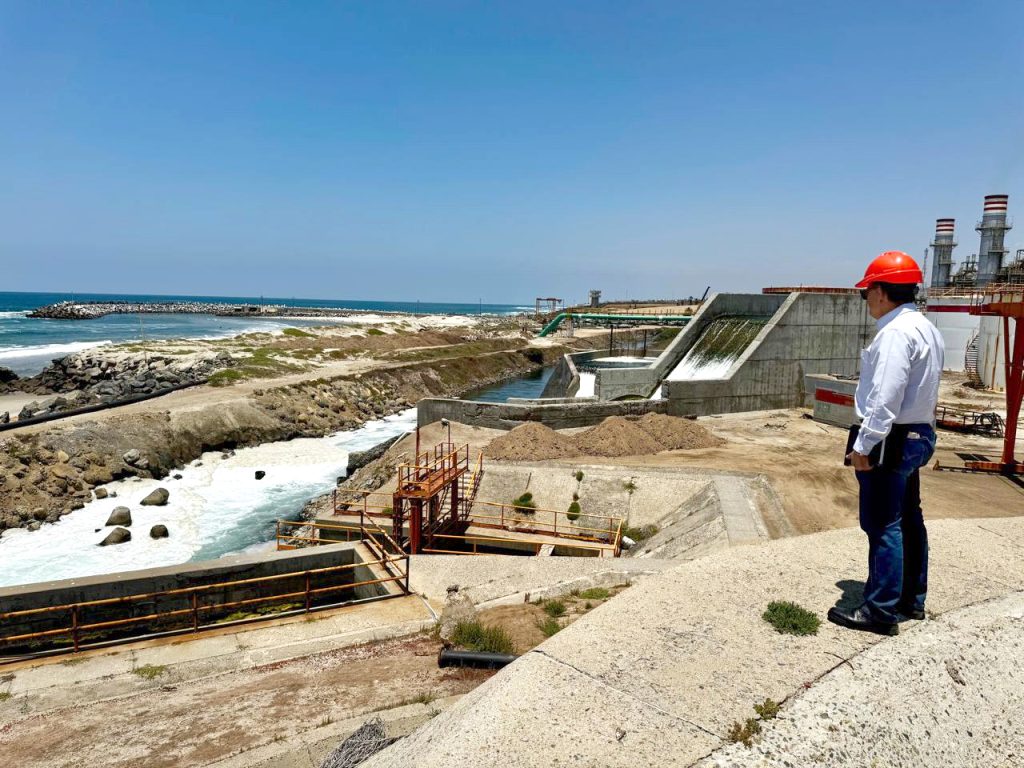
In a public statement, SEPROA Secretary Víctor Daniel Amador Barragán emphasized that this facility is set to become the largest desalination plant in Mexico and will play a crucial role in securing water supply for the coastal region.
“It is essential to determine the precise location of the core infrastructure for what will be the country’s largest desalination plant. That’s why we’re carefully reviewing the proposed site, the water intake area, and the discharge outlet,” said Amador Barragán.
He also noted that coordination meetings have been held with federal authorities both locally and in Mexico City to ensure close monitoring of the project’s development. These efforts include reviewing preliminary engineering plans, conducting cost-benefit analyses, and preparing the Environmental Impact Statement (MIA).
The aim is to streamline the bidding process, which will be overseen by the National Water Commission (CONAGUA), and is expected to launch later in 2025.
The Rosarito desalination plant is one of 16 strategic infrastructure projects outlined in the 2024–2030 National Water Plan, presented by President Claudia Sheinbaum Pardo on November 21, 2024.
The plant is projected to have an initial capacity of 2,200 liters per second, primarily benefiting residents of the municipalities of Tijuana and Playas de Rosarito.