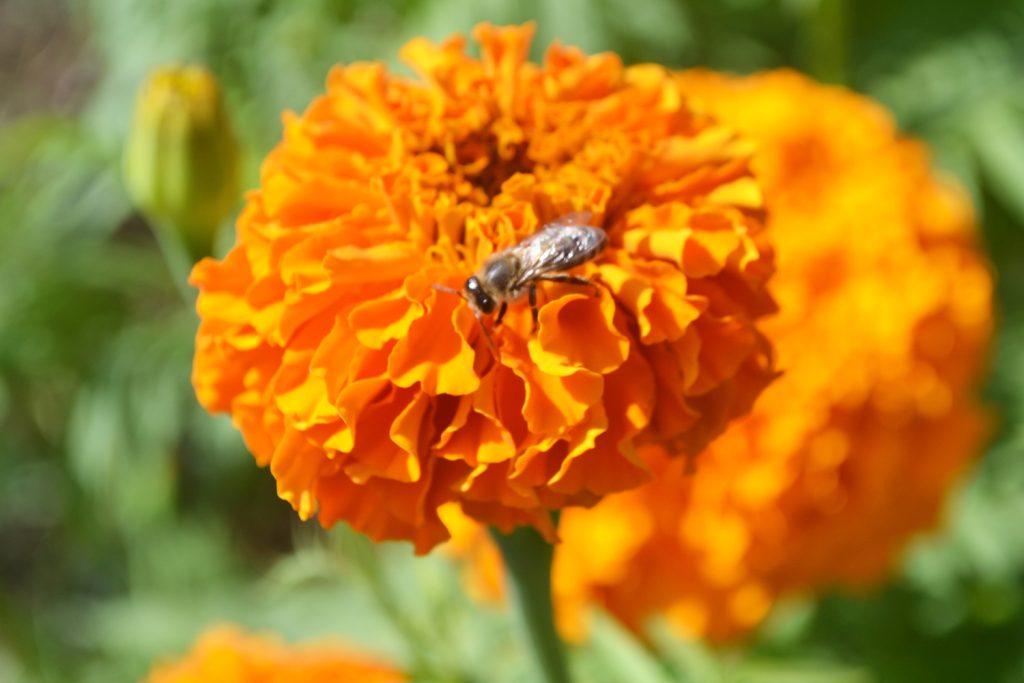
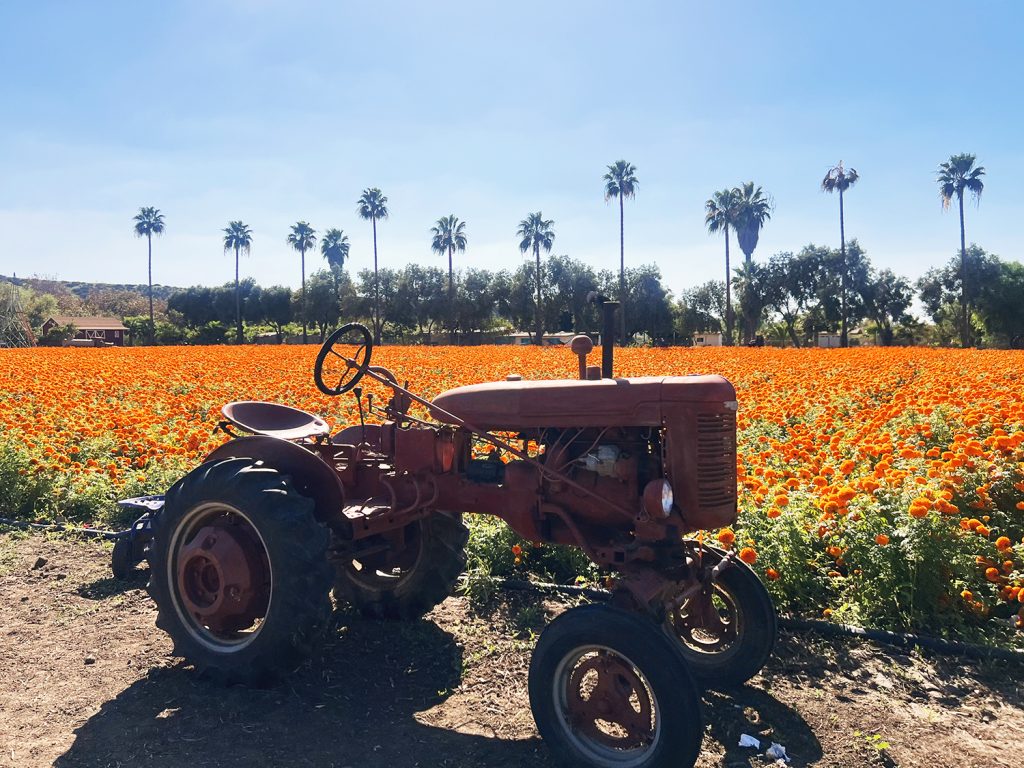
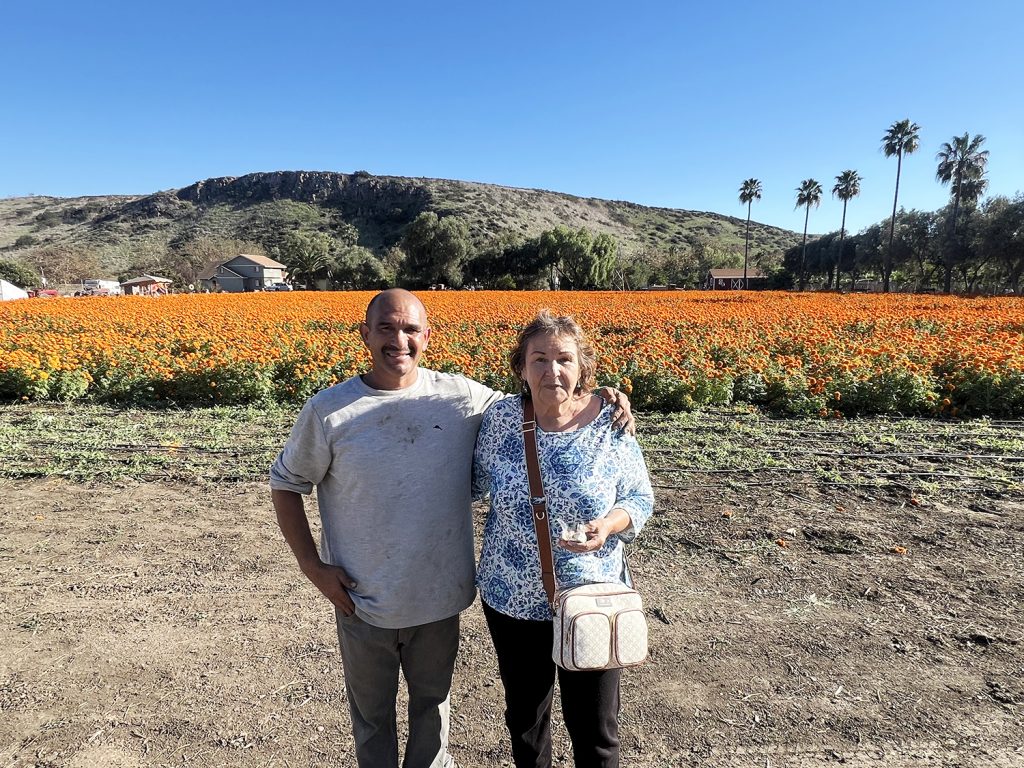
The municipality accounts for 18 of the 21 hectares planted in the region, with local growers cultivating yellow, white, and traditional orange marigolds ahead of Día de Muertos.
Rosarito stands out as Baja California’s leading municipality for marigold production, with cultivation concentrated in Cañón Rosarito and the community of El Descanso. According to the Secretariat of Agriculture and Rural Development (AGRICULTURA), the municipality has the largest planted area, with 18 hectares dedicated to the flower, also known as the Day of the Dead flower.
Eight local growers are involved in this agricultural activity. Floriculturist Jorge Hinojo has spent the past 10 years growing marigolds in Cañón Rosarito. This year, he planted three varieties: yellow, white, and the traditional orange. These represent three of the 35 marigold species found in Mexico, out of 58 species worldwide, according to the information provided in the report.
Marigolds are native to Mexico and are recognized for their bright yellow and orange colors, distinctive petals, and strong fragrance, Hinojo explained.
He said his harvest will be sold to local residents who purchase the flowers to decorate their Día de Muertos altars, as well as to vendors who resell them at different locations throughout the city in the days leading up to the celebration.
Other growers are preparing their harvests for distribution to different municipalities or for export to the United States, where the flowers must meet strict quality standards.
According to the Secretariat of Agriculture and Rural Development, a total of 21 hectares were planted with marigolds in the region. Of that total, 18 hectares are in Rosarito, while the remaining three hectares were planted by two growers in the municipality of Tijuana.
The figures were provided by staff from Rural Development District 001, which covers the agricultural areas of Rosarito, Tijuana, Ensenada, Tecate, and San Quintín.